I Miss My Pets When I'm Away. So I'm Building Pixel Versions of Them.
I wanted a more playful way to understand what my pets were doing, so I began teaching their pixel versions to walk, sleep, eat, and rest.
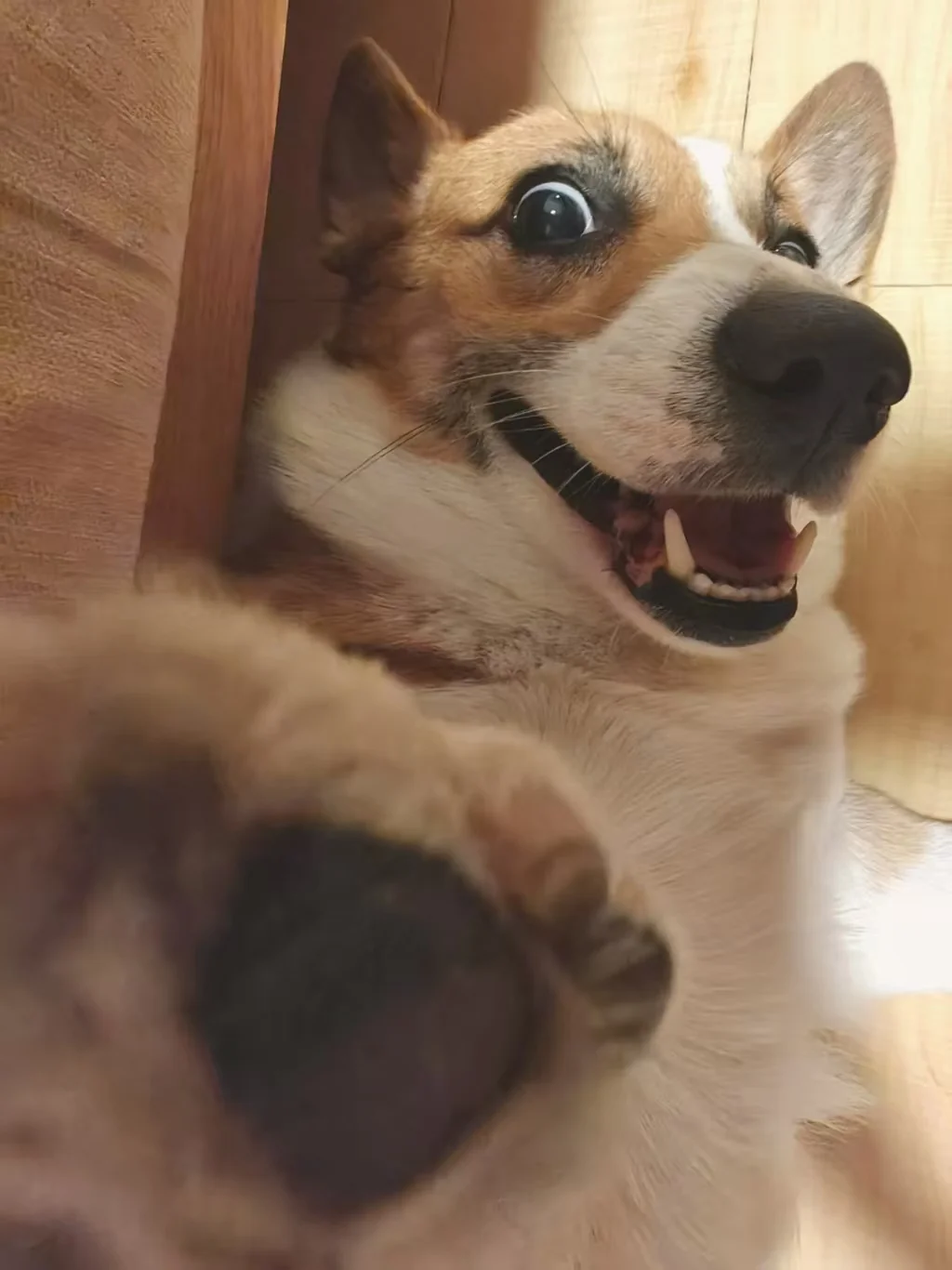
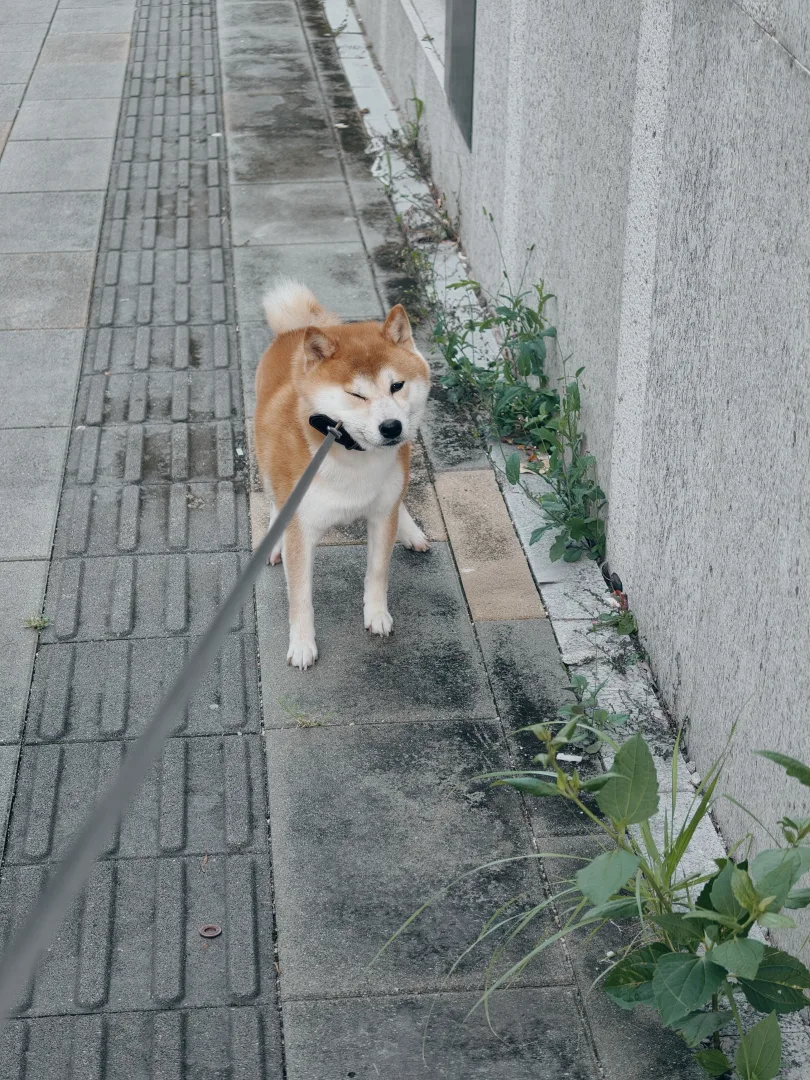
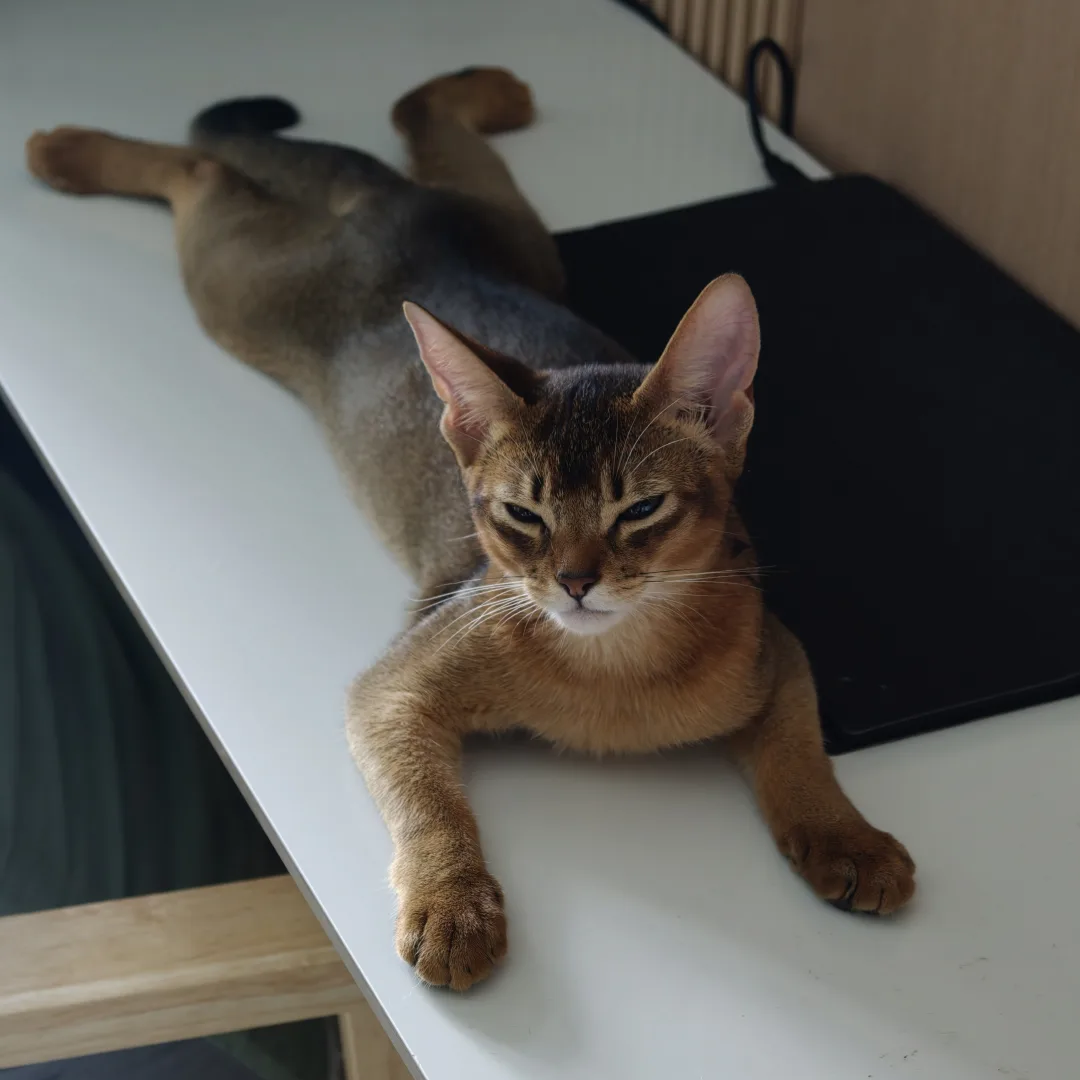
I Wanted to Feel Closer When I Was Away
I sometimes joke that my pets are not the only ones with separation anxiety. I have it too.
When I leave home, I want to know what they are doing. Are they walking around? Sleeping? Waiting for food? More information sounds like it should make that easier, but after a full day of work, I do not want another report to study.
I wanted a way to check on them that could make me feel closer, not give me more work.
That was the thought behind SoulPal: what if ordinary pet behavior could become something playful to look at and interact with?
What If Checking on My Pets Could Feel More Fun?
I began imagining a pixel version of each pet. When the real pet walks, sleeps, eats or lies down, the pixel version can reflect that part of the day.
We call that living pixel version a Pixel Twin.
The information still matters, but the way it reaches you can feel different. Instead of asking you to interpret every ordinary movement, the app can turn it into a character doing something recognizable.
Walking, lying down, sleeping and eating became the first four actions we wanted to bring to life. Those actions are now working in beta.
But the first character designs still did not feel playful enough.
Why I Made the Pixel Pets Look Like Little People
My first character designs were straightforward pixel cats and dogs standing on all four legs.
There was nothing wrong with them. They were cats and dogs, and they moved like cats and dogs. But they mostly repeated what pets already looked like in real life.
If I was trying to make checking on pets more playful, why stop at copying reality?
To me, pets have always felt a little like children. They are curious, expressive and sometimes completely absorbed by the smallest thing. I wanted their pixel versions to carry that feeling.
So I gave the characters oversized heads and short, round bodies, roughly three heads tall. They could stand like little people, wear clothes, sit on a couch, hold a bowl and react to the small world around them.
That was when they stopped feeling like smaller copies of real pets and started feeling like characters with lives of their own.


I Wanted Every Action to Tell a Small Story
Changing the characters also changed the way I thought about their movements.
When a real pet lies down, I did not want the pixel version to simply switch into a resting pose. I imagined it suddenly noticing a tiny bug on the floor, flopping down and watching the bug crawl back and forth. The signal from the collar is still “lying down.” But on the screen, that simple behavior becomes a small story.
That is the kind of fun I wanted SoulPal to create. The information is still there, but it arrives as a moment you might smile at.
I Had to Learn Animation From Scratch
Imagining these moments was much easier than making them move.
I had never created an animation before SoulPal. I started looking for anything that could help me understand movement: how animals place their feet, how long a step should feel and how the body shifts its weight while walking.
Some early attempts looked stiff. Others made the character seem as if it was limping. I would return to the references, compare the movement and adjust it again.
I am still learning. Every new pet and every new action shows me something the previous one could not. That difficulty is also part of what keeps me interested. I am not only drawing more characters. I am slowly learning how to give each one a rhythm and personality of its own.
The Pixel Pets Needed a Place to Live
Once the characters could stand like little people and act out small moments, they needed somewhere for those moments to happen.
Jet began working with a game engine so the actions and systems could run together. I focused on the visual world: rooms, furniture, walls and all the small details that make a place feel lived in.
That is how SoulPal began to feel more like a little world than a normal monitoring screen. We did not start by deciding to add a game on top of a pet product. The world grew from the characters and the stories we wanted their actions to tell.
The monitoring information still matters. The playful world changes how an ordinary day feels when it reaches you.
There Is Still a Lot We Cannot Build Alone
Four actions are only a beginning.
Pets stretch, beg, sniff, zoom around the room, roll in the grass and invent habits that no two-person team could think of by itself. Creating more actions takes references, testing, feedback and a much wider range of real pet behavior.
I am also an embroidery artist. Embroidery taught me how to build an image one stitch at a time. SoulPal feels similar: patient, detailed and made from hundreds of small decisions. The difference is that this piece is not meant to be mine alone.
We hope pet parents can help us imagine what the Pixel Pets should learn next, volunteer for future testing, share feedback and tell us about the tiny habits that make their pets recognizable.
Together, we are not just adding more animations. We are shaping a living piece of work about the animals we love.
What Should Your Pet's Pixel Version Learn Next?
What is one tiny thing your pet does that you would want their pixel version to learn?
If you would like to see the unfinished versions, suggest future actions or help us test what comes next, join us in Discord. We are building SoulPal one small movement at a time, and we would love to build the next one with you.
